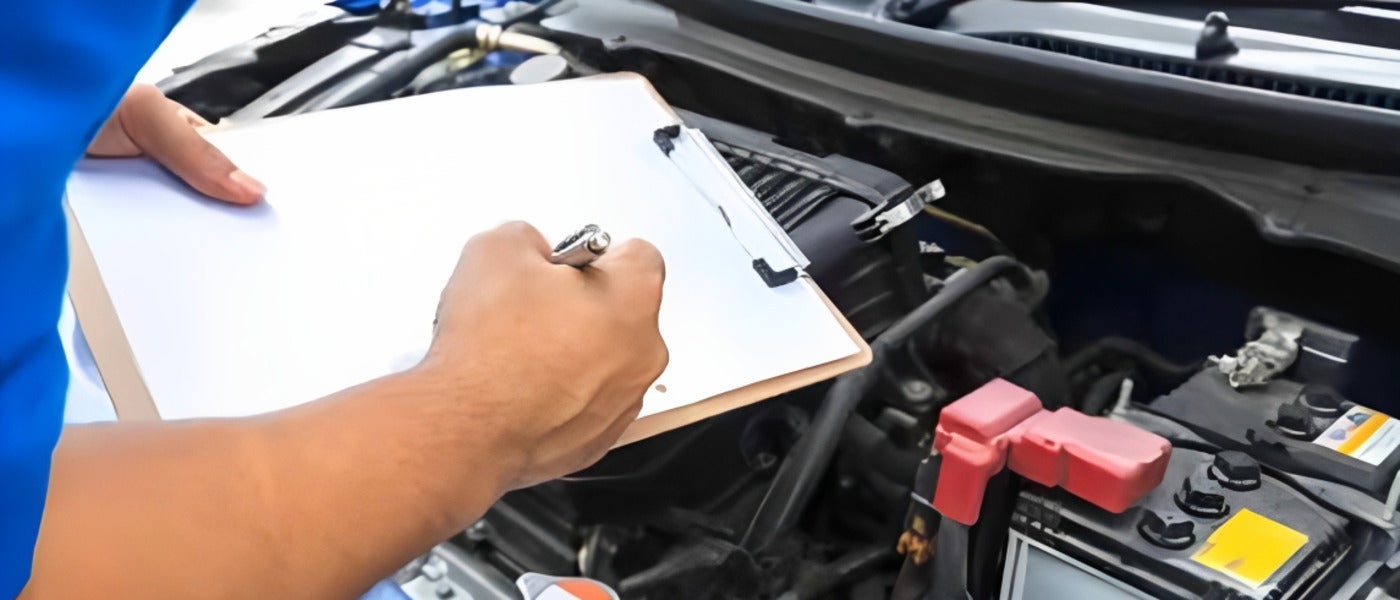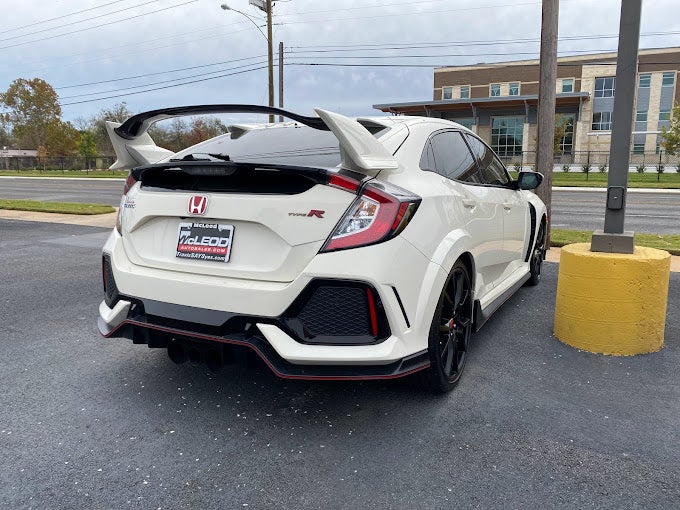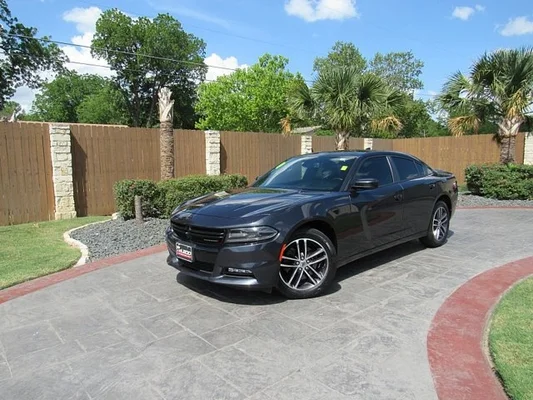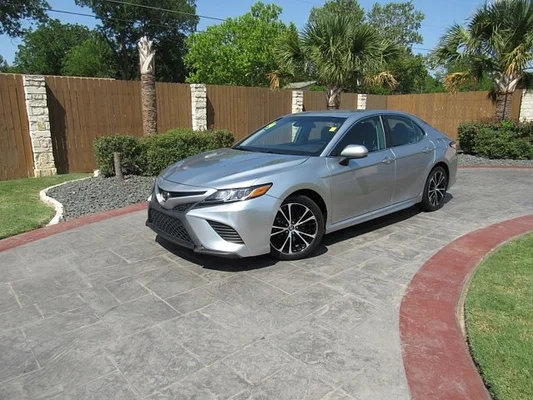


Buying a used car is both exciting and daunting. At McLeod Auto Sales, we're here to guide you. Our used car inspection checklist makes evaluating second-hand cars easier. The average car goes 10,000 to 12,000 miles a year. This helps you know if a used car has good mileage. A VIN check can also show past safety recalls, giving you important info. Before you start, research the car's make and model history. This tells you about reliability and common problems. Don't forget the test drive! It's a step many overlook. Watch for signs like fogged lenses or uneven headlight beams. Make sure the rear seats fold right and look for a full-size spare wheel. These details can greatly improve your driving experience. Finally, always check the car's history. Look for service records and past MOT certificates. These can tell you a lot about the car's past and help you decide. Happy car hunting! more Understanding the Used Car Market The used car market is full of opportunities for smart buyers. We're seeing new trends that help you make better choices. Let's explore the benefits, trends, and what affects prices of used cars. Benefits of Buying a Used Car Buying a used car can save you money right away and in the long term. Used cars often have lower insurance costs, based on their make, model, and safety features. For extra security, look into certified pre-owned programs. These cars usually come with extended warranties, but they might cost a bit more. Current Market Trends The used car market is very active. Buyers are quickly grabbing the best deals. This high demand can push prices up, so it's important to stay updated. Many are choosing cars that are 3-5 years old to avoid big price drops. Factors Affecting Used Car Prices Several things affect the price of used cars. Age, mileage, and condition are major factors. A car in good shape with low mileage usually costs more. Market demand also matters. In a "hot" market, prices can go up because of more demand and fewer cars. Factor Impact on Price Age Newer models generally cost more Mileage Lower mileage increases value Condition Well-maintained cars fetch higher prices Market Demand High demand drives prices up Fuel Economy Better fuel efficiency can increase price Researching and Preparing for Your Purchase Buying a used car requires some planning. We'll help you set a budget, choose the right car, and use online tools for smart choices. Setting a Realistic Budget First, review your income and expenses. Remember to include financing costs for used cars. In 2021, Americans bought 40.9 million used cars. Knowing your budget is key. Narrowing Down Your Vehicle Options Consider what you need in a car. Think about size, fuel efficiency, and safety. Consumer Reports has reliability ratings for many models. It's wise to check these before you choose. Utilizing Online Resources for Research Online services can make finding a car easier. They offer tools to compare vehicles. Some also give free vehicle history reports. For example, Navy Federal offers up to two free CARFAX reports with an auto loan. Resource Purpose Consumer Reports Reliability ratings CARFAX Vehicle history Kelley Blue Book Pricing information Also, check crash test ratings and look for common issues in the cars you're interested in. With good research, you'll find the perfect used car at a good price. Top Features to Look for When Buying a Used Car When looking for a used car, focus on safety, comfort, and performance. Safety features are crucial. Look for anti-lock brakes, multiple airbags, and electronic stability control. These can greatly improve your safety on the road. Fuel efficiency is also key. A car that gets good gas mileage can save you money. Check the MPG ratings and compare them to similar models. Remember, the average price of a used car is around $28,000, so good fuel economy can help save money over time. Advanced technology in used cars can make driving better. Look for backup cameras, Bluetooth, and navigation systems. These features add convenience and improve safety. Feature Benefit Importance Anti-lock Brakes Prevents wheel lock-up during hard braking High Multiple Airbags Provides protection in various collision scenarios High Electronic Stability Control Helps maintain vehicle control in slippery conditions High Fuel Efficiency Reduces long-term operating costs Medium Backup Camera Improves visibility when reversing Medium Bluetooth Connectivity Enables hands-free phone use Low Navigation System Assists with route planning and directions Low Check the condition of the engine, transmission, and suspension. A professional pre-purchase inspection is worth it. It can find issues you might miss during a test drive. Importance of Vehicle History and Documentation When you buy a used car, knowing its history is key. We suggest getting a vehicle history report. It shows past accidents, who owned it, and any problems. This info can change your mind and help you negotiate better. Obtaining and Analyzing Vehicle History Reports A CARFAX report is a must-have when buying a used car. It tells you a lot about the car's past. Did you know 88% of cars have secrets in their history? That's why checking these reports is so important. Information Percentage Reports including accident history 85% Clean title vehicles 70% Branded title vehicles 30% Odometer fraud detected 5-10% Checking for Maintenance Records Looking at maintenance records is also crucial. It shows how well the car was taken care of. Cars with good service histories are often worth more. Look for regular oil changes, tire rotations, and timely repairs. Verifying Ownership and Title Information Finally, check the ownership and title details. This step helps avoid legal problems later. Watch out for salvage titles, which mean the car was once totaled. Remember, a vehicle history report is your first defense against problems when buying a used car. Conducting a Thorough Inspection and Test Drive When buying a used car, a detailed inspection and test drive are key. They are vital in the pre-purchase process. Start by checking the car's exterior and interior. Look for wear, rust, or paint issues that might show past damage or bad fixes. During the test drive, focus on how the car performs. Listen for odd sounds and see how it drives. Test all features, like the air conditioning and safety systems. A mechanic can do a full check for around $100 to $150, saving you from future costs. Don't overlook the test drive basics. Check the brakes, transmission, and suspension. Make sure the heating and cooling work right. Also, see if the car feels comfortable and fits your needs. In 2020, over 39 million used cars were sold in the U.S. - almost three times as many as new ones. So, making a wise choice is essential. Finally, look at the car's paperwork. A well-kept car should have a detailed service history. Check for Safety or Roadworthy Certificates. With these steps, you'll be sure to buy a used car wisely. FAQ What are the key benefits of buying a used car? Buying a used car can save you money upfront. It also means less depreciation and possibly lower insurance costs. But, make sure to check the car's condition, mileage, and maintenance history carefully. How can I determine a fair price for a used car? Use online tools like Kelley Blue Book and Edmunds to find the car's value. Look at the make, model, year, mileage, and condition. Also, keep an eye on the current market trends and demand for that car. What should I look for in a vehicle history report? A vehicle history report should show past ownership, accidents, recalls, and maintenance. This info helps you understand the car's real condition and value. What are some essential safety features to prioritize in a used car? Look for anti-lock brakes, airbags, electronic stability control, and modern tech like backup cameras. These features are crucial for your safety on the road. How important is a pre-purchase inspection? A detailed pre-purchase inspection by a mechanic is very important. It can spot issues you might miss during a quick look or test drive. What should I expect during a test drive? Pay attention to how the car drives, handles, and feels. Test all its features and listen for odd sounds or vibrations. Make sure it fits your needs and preferences before buying.