Quality you can Trust. Service you'll Remember.

Blog

All Killeen Used Cars Killeen Dealer Mcleod Auto Sales Service Best Used Car Dealership Killeen Service Bad Credit Financing No Money Down Financing Best Customer Service Used Cars Top Safety Features
Vehicle Inspection

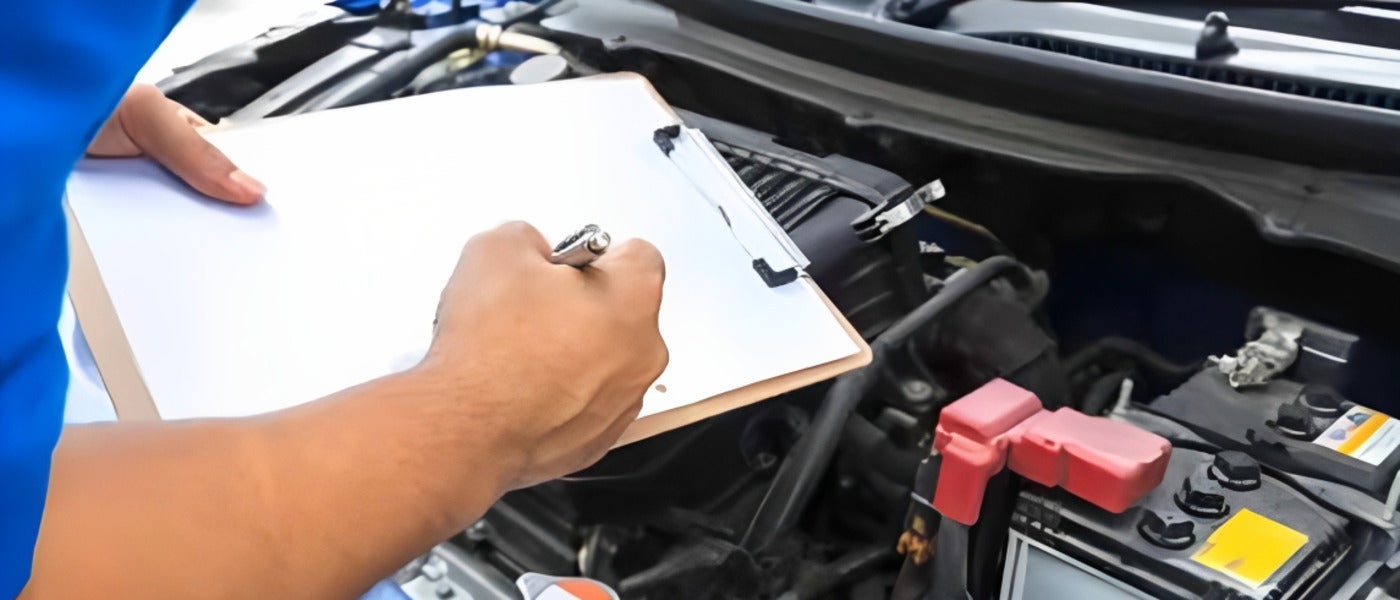
How to Inspect a Used Car Before Purchase: A Step-by-Step Guide

Buying a used car can be tricky. We're here to help with our used car buying tips. Our guide covers everything from setting a budget to evaluating secondhand automobiles. We'll walk you through the process of inspecting a used car, ensuring you make an informed decision. A thorough pre-owned vehicle inspection is crucial. Did you know that mechanics typically charge about $100-150 for this service? It's a small price to pay for peace of mind. Some companies, like AiM Certify, even offer a 150-point inspection report. When evaluating secondhand automobiles, don't forget to check the undercarriage for rust or damage. This is especially important in areas where road salt is common. We also recommend looking into the car's history. Ideally, you want a vehicle with just one previous owner. Remember, dealerships might miss potential issues. That's why it's essential to approach used car buying with a critical eye. A clean motor vehicle record is a good sign, but don't stop there. Consider insurance costs too, as they can vary based on the car's value. Our guide will help you navigate these aspects and more. Whether you're buying in person or online, we've got you covered with practical tips for a smooth used car purchase experience. more Understanding the Importance of Pre-Purchase Inspection Getting a thorough check before buying a used car is key. It's a step that really protects your money. Let's explore why these inspections are so important and how they can prevent future troubles. Protecting Your Investment A detailed check can find hidden problems that aren't obvious. This service, which costs between $100 to $200, can save you thousands. It looks at important parts like the engine, transmission, brakes, and electrical systems. Avoiding Hidden Problems Experts use special tools to find issues. They look for signs of past accidents, water damage, and even past repairs. They also use an OBDII reader to spot fault codes that might show deeper problems. Negotiating with Confidence With a detailed report, you can negotiate better. If problems are found, you can ask for fixes or a lower price. This gives you an advantage when talking to the seller. Inspection Type Cost Range Areas Covered Basic $100 - $200 Engine, Transmission, Brakes, Suspension Comprehensive $200 - $400 All Basic + Electrical, Exhaust, Frame, Rust Luxury/Specialized $400+ All Comprehensive + Advanced Diagnostics Remember, the cost of an inspection is a small price for peace of mind. It's a smart investment that can avoid expensive surprises later. It helps you make a wise choice when buying a used car. Researching the Vehicle's History When looking at used cars, checking the vehicle's history is key. We'll share important tips to help you choose wisely. Obtaining a Vehicle History Report A vehicle history report is vital. Services like Carfax and Autocheck give detailed reports. They cost $25 to $40 but can prevent big mistakes. Checking for Recalls and Safety Issues Make sure to check for recalls and safety issues before buying. The National Highway Traffic Safety Administration (NHTSA) website lets you check the VIN for recalls. Verifying Ownership and Title Information It's important to confirm the car's legal status. Ask to see the title and check if the seller owns it. This step avoids legal problems later. Aspect Information Source Importance Vehicle History Carfax, Autocheck Reveals past accidents, ownership, maintenance Recalls NHTSA Website Identifies unresolved safety issues Ownership Title Document Ensures legal purchase By following these steps, you'll make a smart choice when buying a used car. Remember, doing your homework is crucial to find a reliable car that fits your budget. Exterior Inspection Checklist A thorough exterior appraisal is key in a pre-owned vehicle inspection. We'll show you the important areas to check during your used car evaluation. Examining the Body for Damage and Repairs Begin by closely looking at the car's body. Look for dents, scratches, and repainting signs. About 68% of used cars show exterior damage. Check panel gaps and color mismatches for signs of repairs. Assessing Tire Condition and Wear Tires are vital for safety. Look for uneven wear patterns, common in 42% of used cars. Check the sidewalls for bulges or cuts. Make sure all tires match in brand and size. About 15% of used vehicles have mismatched tires. Inspecting Windows, Lights, and Lenses Examine all windows for cracks or chips. About 22% of used cars have windshield damage. Ensure all exterior lights work, as 18% of pre-owned vehicles have faulty lights. Inspection Area Common Issues Occurrence Rate Body Damage Dents, scratches, repainting 68% Tire Wear Uneven wear patterns 42% Windows Cracks or chips 22% Exterior Lights Malfunctioning lights 18% Tires Mismatched brands/sizes 15% Interior Evaluation Techniques A full vehicle check isn't done without looking inside. Let's explore the cabin and find out what to check. First, we'll examine the seats, carpets, and dashboard for signs of wear. These spots can tell us a lot about the car's upkeep. Then, we'll test all the car's electronic features. This includes the entertainment system, air conditioning, and windows. We'll also check the headliner for any sagging or stains. It's also important to sniff around - unusual smells might point to water damage or other hidden problems. Safety is a top priority, so we'll make sure all seat belts work right. We'll also look for any warning lights on the dashboard. And don't forget to check the trunk - water damage or rust there could be a big issue. By doing these checks, we'll learn a lot about the car's condition and what it might cost in the future. Remember, a Certified Pre-Owned (CPO) vehicle often comes with extra benefits. These cars usually have under 65,000 miles and are under five years old. While they might cost more at first, the assurance from a detailed dealer check might be worth it for many buyers. FAQ Why is a pre-purchase inspection important when buying a used car? A pre-purchase inspection protects your investment. It finds hidden problems like accidents or mechanical issues. This way, you can make a smart choice and avoid unexpected costs later. How can I research a vehicle's history before buying a used car? Get a vehicle history report from Carfax or AutoCheck. They show past ownership, accidents, and maintenance. Also, check for recalls and safety issues on the NHTSA website. What should I look for during an exterior inspection of a used car? Check the body for dents, rust, and repairs. Look at tires, windows, lights, and lenses. Watch for mismatched paint or panels that might mean accidents or repairs. Examine the exhaust system and check for fluid leaks under the car. How do I evaluate the interior of a used car? Check seats, carpets, and the dashboard for wear. Test electronics like the infotainment system and air conditioning. Make sure all seat belts work and the trunk is dry. Is it necessary to have a professional mechanic inspect the used car? Yes, a professional mechanic's check is crucial. They spot mechanical issues you might miss. This gives you important info about the car's condition and possible repair costs.

Understanding the True Cost of Owning a Used Car

When we buy a used car, we often just look at the sticker price. But there's more to it. At McLeod Auto Sales, we help our customers make smart choices. Let's look at the hidden costs and how to plan your budget for a pre-owned vehicle. AAA says the average cost to own a car was $12,182 a year in 2023. This includes many costs that buyers might not think about. Things like depreciation, insurance, maintenance, and fuel add up to the total cost. Used cars can save you money compared to new ones. For instance, a small sedan costs about $7,707 a year to own. A medium SUV could be up to $10,239 a year. Knowing these differences helps with smart budgeting for your next car. At McLeod Auto Sales, we're here to guide you through these costs. By looking at all the factors, you can pick a car that suits your life and wallet. Let's check out what affects the real cost of a used car. more The Hidden Expenses Beyond the Purchase Price Buying a used car means the sticker price is just the start. We must think about hidden costs that can really affect our budget. Let's look into these often missed expenses. Depreciation: The Biggest Cost Factor The depreciation rate is a big hidden cost of owning a car. Cars that cost more tend to lose value faster. This loss in value can be huge, making the long-term cost of our purchase much higher. Insurance Premiums: A Necessary Ongoing Expense Insurance costs change a lot based on where you live, your driving history, and the type of car you have. The average cost for full coverage car insurance is $2,329 a year. New York has the highest rates at $3,697 a year, while Idaho has the lowest at $1,322. Insurance rates went up by 20% from June 2022 to June 2024. Registration Fees and Taxes: Annual Obligations Registration fees and taxes change based on where you live, the car's weight, age, and value. It's important to know these costs for budgeting. Let's see how costs differ across states: State Hidden Costs (Annual) Georgia $8,249 Illinois $6,632 New Hampshire $4,299 These hidden costs, like depreciation, insurance, registration fees, and taxes, add up to a yearly average of $6,684. By thinking about these, we can make better choices when buying used cars and plan our finances better. Maintenance and Repair Costs: Keeping Your Used Car Running Used cars can save us money upfront, but they also have ongoing costs. In 2023, drivers spent an average of 9.83 cents per mile on maintenance, repairs, and tire replacement. For those driving 15,000 miles a year, that's about $1,474 in yearly expenses. Preventive care is crucial to keep costs down. Regular oil changes, which cost between $35 to $125, can prevent engine problems. Tire rotations, costing $60 to $72, help extend tire life and save on fuel. Unexpected repairs can be a big surprise. Common issues include: Flat tire replacement: $20 to $100 Transmission problems: $2,900 to $7,100 Engine overheating: $100 to $6,000 Dead battery: $45 to $250 The make and model of your used car affect maintenance costs. Here's a look at the 5-year maintenance costs for some popular brands: Brand 5-Year Maintenance Cost Toyota $1,125 Honda $1,435 Ford $1,100 Chevrolet $1,200 BMW $1,700 Investing in preventive care can prevent costly repairs later. Regular maintenance keeps your car running well and saves money over time. Fuel Efficiency and Operating Costs When you buy a used car, how much fuel it uses is key to your costs over time. Let's look at how gas prices and your driving habits affect your budget. Average Gas Costs for Used Cars In 2024, the average car in America gets about 25 miles per gallon. With gas prices around $3.50 per gallon, a typical driver covering 15,000 miles a year spends about $2,100 on fuel. This cost can vary based on your car's fuel efficiency and local gas prices. Impact of Driving Habits on Fuel Consumption Your driving habits greatly influence how much fuel you use. Smooth acceleration, steady speeds, and avoiding unnecessary idling can save gas. By driving more efficiently, you might cut your fuel costs by up to 15%. Comparing Fuel Costs: Used vs. New Cars When comparing used and new cars, fuel efficiency is a key factor. Newer models often have better fuel economy thanks to new technology. A used hybrid or electric vehicle could offer big savings on fuel costs compared to older, less efficient models. Vehicle Type Average MPG Annual Fuel Cost Used Sedan (5 years old) 25 $2,100 New Hybrid Sedan 50 $1,050 Electric Vehicle N/A $600 (home charging) Remember, while a used car might be cheaper upfront, think about its fuel efficiency. This can help you make a smarter choice for your budget and the environment. Financing Options and Interest Rates for Used Cars Looking to finance a used car in 2024? The average interest rate is 14.10% APR. This can change based on your credit score and the loan term. At McLeod Auto Sales, we aim to give you competitive rates to save you money. Loan terms affect your monthly payments and the total interest you pay. Longer terms can make payments smaller, but you'll pay more interest over time. For instance, a 60-month loan on a used car can increase your total cost by thousands. Loan Term Average Interest Rate Monthly Payment* Total Interest Paid* 36 months 13.5% $854 $4,744 60 months 14.1% $584 $8,040 72 months 14.5% $523 $10,656 Your credit score affects the interest rates you get. Scores over 700 can lead to rates as low as 3.65% on new cars. But, lower scores mean higher rates. Looking for the best rates and choosing shorter loans can save you a lot of money. At McLeod Auto Sales, we know finding affordable financing for used cars is key. We offer custom solutions to fit your budget and guide you through interest rates and loan terms. Come visit us to see how we can help with your next used car purchase. Understanding the True Cost of Owning a Used Car Buying a used car means looking at more than just the price tag. We'll dive into the total cost, compare new and used cars, and see how owning a used car affects your wallet over time. Calculating Total Cost of Ownership The cost of owning a car goes beyond the initial buy price. Let's look at the yearly costs you might face: Expense Category Average Annual Cost Fuel $1,500 Insurance $1,591 Financing (5-year loan, 10% down) $669 Maintenance and Repairs $1,341 Registration and Taxes Varies by state Comparing Costs: Used vs. New Cars Used cars usually cost less upfront and don't lose value as quickly as new ones. The Diamond Auto Express Loan offers up to $60,000 over 72 months, making it easier to finance a used car. Just remember, the loan is only good for 90 days and must be used at a certified dealership in Pennsylvania. Long-Term Financial Impact of Used Car Ownership Planning for the future is key when buying a used car. Even though the initial costs are lower, older cars might cost more to maintain. Weighing these costs helps figure out if a used car fits your budget and needs. Conclusion We looked into the real cost of owning a used car and found that making smart choices is key. In 2023, the cost per mile for a used car is almost the same as a new one, at 47.5 cents versus 47.4 cents. This shows how important it is to plan your budget well when buying a used car. At McLeod Auto Sales, we know that the value of a car drops a lot in the first year. New cars can lose up to 20% of their value quickly. Choosing a well-kept used car helps you skip this big drop in value and still get a dependable car. The real cost of owning a car is more than just the price tag. Things like insurance, upkeep, and fuel efficiency add to your costs. Working with McLeod Auto Sales means finding a used car that fits your budget and is a wise choice for the future. FAQ What are the hidden expenses beyond the purchase price of a used car? Hidden costs include depreciation, insurance, registration fees, taxes, and maintenance and repair costs. These can greatly affect the total cost of owning a car. How much does depreciation impact the cost of owning a used car? Depreciation is a big hidden cost. New cars can lose up to 20% of their value in the first year. Used cars also depreciate, but not as much. Still, you should consider this when calculating costs. What are the average maintenance and repair costs for a used car? In 2023, drivers spent about 9.83 cents per mile on maintenance, repairs, and tire replacement. This adds up to $1,474 a year for those driving 15,000 miles. Costs vary by car type and condition. How do fuel costs impact the overall cost of owning a used car? Cars in America average 25 miles per gallon. At $3.50 per gallon, drivers going 15,000 miles a year spend about $2,100 on fuel. How efficient your car is and your driving habits affect this cost. What should I consider when financing a used car? In 2024, used car loans average a 14.10% APR. Longer loans and higher car prices mean more interest payments. Look for the best rates and consider shorter loans to save money. How can I calculate the total cost of owning a used car? To figure out the total cost, add up expenses like depreciation, insurance, maintenance, fuel, financing, and taxes. This helps buyers make smart choices and avoid unexpected costs. How do the costs of owning a used car compare to a new car? Used cars are cheaper upfront and depreciate less than new cars. But, they might cost more in maintenance and repairs. The long-term costs depend on the car's age, condition, and how you use it.

How to Spot a Good Deal on a Used Car

At McLeod Auto Sales, we're here to guide you through the used car buying process. Finding a good deal on a pre-owned vehicle can be tricky, but with the right knowledge, it's possible. We'll help you navigate the market, from used car inspections to negotiating car prices. Did you know that new cars lose about 10% of their value in the first month? That's why many smart buyers opt for certified pre-owned vehicles. These cars often come with perks like extended warranties and roadside assistance, making them a great value. The average used car price was $25,328 in January 2024, much lower than new car prices. This significant difference makes used cars an attractive option for budget-conscious buyers. We'll show you how to spot these deals and make the most of your budget. Ready to find your perfect used car? Let's dive in and explore how to identify quality vehicles, assess your needs, and make informed decisions. Our goal is to ensure you drive away confident in your purchase. more Understanding the Used Car Market The used car market is always changing. We'll look at key factors to help you find great deals. Assessing Your Needs and Budget Start by thinking about what you need from a car. Consider size, features, and costs over time. Make a budget that includes financing and possible warranties for used cars. Researching Fair Market Values Use reliable guides to find out what your dream car should cost. These guides show you what others are paying. This way, you won't pay too much. Exploring Different Buying Options There are many ways to buy a used car, each with its own benefits: Dealerships: They offer certified pre-owned cars with longer warranties. Car superstores: You'll find a big selection and clear prices. Rental agencies: They sell cars that are well-kept and have low miles. Private sellers: You might pay less but need to be careful. Buying Option Pros Cons Dealerships Certified pre-owned options, warranties Higher prices, potential pressure sales Car superstores Large inventory, no-haggle pricing Limited negotiation, less personal service Rental agencies Well-maintained vehicles, lower mileage Limited model selection, higher prices Private sellers Potentially lower prices, flexible negotiations No warranties, more research required Knowing these market details will help you find great deals and make smart choices when buying a used car. How to Spot a Good Deal on a Used Car Finding a great deal on a used car takes careful evaluation and research. We'll guide you through the key factors to consider. This ensures you get a reliable vehicle at a fair price. Checking the Vehicle's Condition A thorough inspection is key when looking at used cars. Check the exterior for wear, rust, or past repairs. Inside, look at the seats, dashboard, and controls. Also, test all electronic features. At McLeod Auto Sales, we offer certified quality inspections. This gives our customers peace of mind. Evaluating Mileage and Age Mileage and age are important when judging a car's value. Most cars are driven 10,000 to 12,000 miles a year. Lower mileage usually means less wear and tear. But, don't ignore well-maintained older vehicles. Car maintenance history is a big factor in a vehicle's condition. Examining Maintenance and Repair Records Vehicle history reports are very useful when looking at used cars. They show past accidents, floods, or recalls. This gives you a clear picture of the car's health. We suggest reviewing maintenance records to see how well the vehicle was cared for. Before buying, test drive the car and have a trusted mechanic inspect it. FAQ How do I assess my needs and budget when buying a used car? Think about what size and features you need in a car. Set a budget that fits your finances. Look up the market value of the cars you like. What are the different buying options for used cars? You can look at dealerships like McLeod Auto Sales, car superstores, rental agencies, or buy from private sellers. Each choice has pros and cons. Think about what you want and need. How can I check the condition of a used car? Look for signs of wear, rust, or past fixes on the car. Check the tires, battery, lights, and fluids. Test drive it and get a mechanic to check it out before you buy. Why is mileage and age important when buying a used car? Lower mileage means less wear and tear, but older cars might cost more to maintain. Think about both to understand the car's condition and how long it might last. How can I evaluate a used car's maintenance and repair history? Ask for the car's maintenance and repair records to see its health. At McLeod Auto Sales, we do certified quality inspections on our used cars for your peace of mind. What is the advantage of buying a certified pre-owned vehicle? Certified pre-owned cars are checked thoroughly and often come with longer warranties. This gives you more protection and peace of mind. How can I negotiate the best price for a used car? Use tools like Kelly Blue Book to find fair prices for the cars you want. Be ready to negotiate with sellers. Don't hesitate to walk away if the price is too high.

How to Check a Used Car's Service History

When you're looking at a used car, it's key to check its service history. This info tells you a lot about the car's past and how it might perform in the future. Many dealerships, like Beaver Valley Auto Mall in the U.S., offer these records for their used cars. Online tools like CARFAX® and AutoCheck® let you check a car's maintenance history with its VIN number. This 17-character code shows the car's original dealer and gives insights into its history. Not every used car has full service records. In fact, about 30% of service books get lost when cars change owners. That's why getting a pre-owned car checked by a mechanic is a smart move. A car with good service records can increase its value. It shows buyers the car was well cared for. So, always ask about maintenance records when looking at used cars. It could prevent future problems and save you money. more Understanding the Importance of a Vehicle's Service History A car's service history is key to understanding its condition and value. We'll look into why these records are important. They affect your choice when buying a used car. Why Service Records Matter Service records show a car's maintenance past. They tell you how the previous owner took care of it. With a carfax report or autocheck report, you get to see this info. Dealership service logs add more details about the car's history. What Service History Reveals About a Car A full service history tells you a lot about a car. It shows if the car got regular oil changes, tire rotations, and other upkeep. It also lists major repairs and replacements. This info helps you understand the car's reliability and what repairs it might need later. Service Item Typical Interval Oil Change Every 5,000 miles Full Service Every 10,000 miles or annually Tire Replacement Every 40,000 to 60,000 miles Battery Replacement Every 4-5 years Timing Belt Replacement Every 100,000 miles The Impact of Maintenance on Vehicle Value Cars with good service histories and complete records are worth more. They give buyers confidence and can help with insurance claims. Regular maintenance, as seen in dealership logs, raises a car's value and appeal in the used market. How to Check a Used Car's Service History Before buying a used car, it's key to check its service history. We'll show you how to do this to make a smart choice. First, get the vehicle identification number (VIN). This code is like a fingerprint for your car. It lets you see your car's history online. Go to the National Motor Vehicle Title Information System (NMVTIS) website, vehiclehistory.gov, for a full report. You'll find info on ownership, title details, and accidents. For more details, try AutoCheck or Carfax. Make sure to check for recalls too. The National Highway Traffic Safety Administration's site, safercar.gov, has this info for free. It's important to know all recall work is done. For extra peace of mind, get an independent mechanic to inspect the car. They can spot hidden problems and check if the car has been well-maintained. A pro can find signs of neglect or future repairs not listed in the records. Service History Check Benefits VIN Check Reveals ownership, title, accident history Recall Information Ensures safety issues are addressed Independent Inspection Uncovers hidden issues, confirms maintenance A car with a full service history usually means it's been well-cared for. This can save you from surprise repair costs and ensures you get a dependable car. Key Elements to Look for in Service Records Looking at a used car's service history is key. We need to focus on important parts. These parts give us clues about the car's condition. They help us make a smart choice. Regular Maintenance Items Check for routine services like oil changes, tire rotations, and fluid checks. These are crucial for keeping a car running well. Cars that get regular care often last longer and have fewer issues. This means they can be worth more when sold or traded. Major Repairs and Replacements It's important to look for major repair records. This includes big parts like timing belts. Knowing about these repairs tells us a lot about the car's condition. Sites like Carfax and AutoCheck offer detailed reports on these repairs. Mileage Consistency Make sure the mileage matches across all service records. This catches odometer fraud. Remember, getting accurate info on a car's history can be tricky. Errors can happen, depending on the source. Service Intervals and Adherence to Schedule It's key to see if the car has followed the maker's service schedule. Sticking to these schedules can boost the car's trade-in value. Some dealers might not share maintenance records for privacy reasons. But, getting an independent check can give us more info on the car's state. FAQ Why are service records important when buying a used car? Service records tell you about a used car's maintenance history and major repairs. They show if the car followed the recommended service schedule. This info helps spot potential problems or future maintenance needs, affecting the car's reliability and value. What information do vehicle history reports provide? Vehicle history reports, like Carfax or AutoCheck, give you the lowdown on a car's past. They cover accidents, mileage accuracy, past owners, damage, and service history. This info helps you make a smart choice when buying a used car. How can I check a used car's service history? To check a used car's service history, start with the vehicle identification number (VIN). Use the NMVTIS website or services like AutoCheck and Carfax for a vehicle history report. You can also ask the previous owner or dealership for service records. What should I look for in service records? When looking at service records, check for regular maintenance like oil changes and filter replacements. Look out for major repairs and replacements, such as timing belt changes. Make sure the mileage matches across different records to spot odometer fraud. Ensure the car followed the recommended service schedule. Can a lack of service records be a red flag? A car without service records might not mean it wasn't maintained. But, it could mean there are hidden mechanical issues and higher repair costs. A full service history shows the car was well cared for by its owners.

A Guide to Understanding Vehicle History Reports

Buying a used car can be tricky. That's why vehicle history reports are so valuable. They give us a peek into a car's past, helping us make smart choices. A used car report usually costs between $25 to $40. It's a small price to pay for peace of mind. These reports tell us about accidents, ownership changes, and service records. They even check if the mileage is accurate! But remember, a vehicle history report isn't a crystal ball. It might miss some details. That's why we always recommend getting a good mechanic to take a look too. Together, these tools help us find the perfect used car without any nasty surprises. more What is a Vehicle History Report? A vehicle history report is a key tool for those buying used cars. It offers a detailed look at a car's past. This helps buyers make smart choices. The report gathers data from various sources to show a vehicle's life story. Definition and Purpose Vehicle history reports act like a car's biography. They gather info on past owners, accidents, and upkeep. The aim is to show any hidden problems that could affect the car's value or safety. These reports help buyers dodge unexpected costs and ensure they get a dependable car. Importance for Used Car Buyers For those buying used cars, these reports are vital. They offer peace of mind and can save money over time. The Federal Trade Commission suggests getting a vehicle history report before buying a used car. It's a small cost that can prevent big issues later. Provider Single Report Cost Multiple Report Cost Carfax $44.99 $99.99 for 5 reports AutoCheck $25 $49.99 for 5 reports in 21 days Bumper $23/month $22.99/month for 50 reports While these reports are very useful, they're not always complete. Some accidents or repairs might not be recorded. That's why a mechanic's check is also key before buying a used car. A vehicle history report and a professional inspection together offer the best protection for buyers. How to Obtain a Vehicle History Report Getting a vehicle history report is key when looking at used cars. We'll show you how to get this important info. You'll need the car's 17-digit VIN or license plate number to start. With this, you can do a VIN check or license plate lookup. This will give you the car's history. There are many ways to get a report. CARFAX offers detailed reports for a fee. Dealerships, online sites, and some sellers give out free reports to buyers. If you're watching your budget, there are free tools too. The National Highway Traffic Safety Administration (NHTSA) has a VIN Decoder. The National Insurance Crime Bureau has a VINCheck database as well. Report Type Provider Cost Information Included Comprehensive CARFAX $25-$40 Accident history, service records, ownership details Basic NHTSA VIN Decoder Free Vehicle specifications, recalls Theft Check NICB VINCheck Free Theft records, salvage information These reports give you a lot of info, but they might not have every detail. It's smart to get a CARFAX report and a professional inspection. This way, you get a full picture of the car's condition. A Guide to Understanding Vehicle History Reports: Key Components Vehicle history reports are key for buyers of used cars. They provide insights into a car's past. This helps buyers make smart choices. Let's look at the main parts of these important documents. Ownership History This section shows how many previous owners the car had and how long they owned it. A car with many short owners might be a concern. But a single owner for a long time usually means the car was well cared for. Accident and Damage Records This part lists any accidents or damage reported. It's crucial for checking the car's condition and possible hidden problems. Even small incidents can be important, but big accidents could question the car's safety and value. Title Information This section talks about the vehicle's title, like salvage or flood damage. Knowing this is key when looking at certified pre-owned cars or checking if a car meets auto lemon laws. Service and Maintenance History A detailed service record means the car was well looked after. Regular upkeep can make a car last longer and avoid future issues. This info lets you see how the previous owners took care of the car. Odometer Readings Checking the mileage is vital to catch odometer fraud. This section lists the car's mileage at various points in its history. It helps you trust the current reading. Component Importance Ownership History Reveals usage patterns and potential issues Accident Records Indicates past damage and safety concerns Title Information Highlights legal status and potential problems Service History Shows maintenance level and care Odometer Readings Verifies mileage accuracy Limitations and Considerations of Vehicle History Reports Vehicle history reports are great tools, but they're not perfect. We must know their limits to make smart choices when buying used cars. Potential for Missing Information Not every incident gets recorded. Accidents or repairs done by the owner might not be listed. Also, updates can be slow, leaving out recent events. This shows why a detailed check by a mechanic is key. Importance of Professional Inspections A mechanic's check is essential. It shows the car's current state, which reports might miss. Experts can spot wear, potential problems, and evaluate the car's overall condition. This detailed check adds to the report's historical info. Understanding Report Accuracy Reports are usually trustworthy but can have mistakes. They don't reflect the car's daily life or upkeep quality. A professional assessment gives a fuller view. Aspect Vehicle History Report Professional Inspection Cost $25-$40 $100-$300 Time Required Minutes 1-2 Hours Provides Historical Data Yes No Assesses Current Condition No Yes Identifies Potential Issues Partially Yes Knowing these limits helps us use vehicle history reports and professional inspections together. This way, we get a full look at any used car. Conclusion Vehicle history reports are key for smart car buying. We've seen how they give important info about a used car's past. They cover everything from who owned it to any accidents it was in. Even though VHRs are very useful, they're not perfect. It's smart to check both Carfax and AutoCheck for a full car history check. Carfax costs $39.99 for one report and uses over 100,000 sources. AutoCheck charges $24.99 per report and gives an AutoCheck Score for easy comparison. But VHRs are just part of the story. They can show things like flood damage or recalls. Still, a check-up from a trusted mechanic is also key. By using VHRs and mechanic checks together, we can make better choices when buying used cars. This can save us money on repairs and give us peace of mind. FAQ What is a vehicle history report? A vehicle history report is a set of records that tell you about a used car's past. It includes details on ownership, accidents, mileage, and more. You'll find information on major accidents, mileage changes, and structural damage. Why are vehicle history reports important for used car buyers? These reports are key for buyers to spot hidden issues before buying. They reveal a car's past and potential problems. This helps buyers understand the car's condition and its true value. How do I obtain a vehicle history report? To get a vehicle history report, you'll need the car's VIN or license plate number. Reports cost between $25 to $40 from services like CARFAX and AutoCheck. Some dealerships and sellers offer them for free. What key information is included in a vehicle history report? Reports include the car's ownership history, accident and damage records, and title info. They also cover service history, odometer readings, and details on salvage titles and lemon history. Are there any limitations to vehicle history reports? Reports might miss some information, like DIY repairs or unreported incidents. They can be delayed or contain errors. Always get a professional inspection to get a full picture of the car's condition.

Ultimate Used Car Buying Guide

Is it time to step into the world of pre-owned vehicles? With an all-time high of 40.9 million used cars sold in the U.S. in 2021, it's a big market. This guide will get you ready, whether you're checking out McLeod Auto Sales or other places. This guide is filled with crucial advice for finding the perfect used car. It covers the financial benefits and how to avoid common mistakes. You'll learn how to spend your money wisely and pick a used car that's both dependable and fits your budget. Ready to explore the used car market and find your dream car? This guide is for everyone, whether you're just starting or know the ropes. Get set for an eye-opening trip through buying a used car! more Why Buying a Used Car Makes Financial Sense Choosing a pre-owned car is wise for many reasons. It helps those watching their wallet. Our guide on buying used cars shows why it's a good idea. Depreciation Savings New cars lose value fast. Within the first year, they can drop by 20%. By year five, that's down to 40%. By buying used, you avoid this big drop in value. A car that's three years old may only lose another 10%, meaning you save a lot. Lower Insurance Costs Used cars are often cheaper to insure. They're not as costly to replace and aren't as tempting to thieves. This means you spend less on insurance. Also, your sales tax and titling fees will be lower. More Car for Your Money Your money goes further with used cars. Let's use some numbers: Aspect New Car Used Car Average Loan Amount $40,184 $27,167 Average Monthly Payment $735 $523 Average Loan Rate 7.03% 11.35% Yes, used car loans might have higher rates. But you save over $200 a month. With that, you could afford a better model. Just remember, older cars might need more maintenance. But the savings at the start make it worth it. Setting a Realistic Budget for Your Used Car Purchase Setting a realistic budget when buying a used car is very important. Don’t just look at the price tag. Consider the entire cost of owning it, like insurance and maintenance. Set a budget that's smart for you. Aim for a 10% down payment. Keep all car costs under 20% of what you bring home. Remember, used cars are usually cheaper to insure than new ones. Start researching. Use places like Kelley Blue Book or Edmunds to see what cars are worth. Also look at how you'll pay for your car. The average car loan interest is about 9.34%. But, look around for better deals. Think about what matters most to you in a car. You can find a reliable used car that's right for you. These cars can range from $1,000 to $2,000 and up. Don’t forget to check the car carefully before you buy. Many mechanics will fully check a car for a flat fee. This can tell you a lot about the car's future costs. Take time to think about each point. By doing this, you’ll make a budget that's realistic and lets you get a good deal on a used car. Researching and Identifying the Right Used Car for You Finding the perfect used car takes time and effort. This guide will help you find the ideal car for you. Utilizing Online Resources Start by looking at trusted websites. These sites have pricing guides and vehicle history reports. You can compare different models easily. Considering Your Needs and Lifestyle Think about how you'll use the car every day. Do you need something big for a family or small and efficient for work? List what you need most, then find cars that match your list. Evaluating Reliability and Long-Term Costs Look into how reliable cars are with sites like J.D. Power. Also, think about long-term costs like insurance and repairs. More miles mean more upkeep, usually. Aspect Consideration Mileage Lower mileage cars typically require fewer immediate repairs Budget Auto expenses shouldn't exceed 20% of monthly take-home pay Inspection Check for engine lights, fluid levels, and tire tread depth Research Use Consumer Reports and US News for ratings and rankings Doing thorough research is crucial. It ensures you get a used car that's both reliable and fits your budget. Always check the car's history and maybe have it looked at by a pro before buying. The Advantages of Certified Pre-Owned Vehicles Certified pre-owned vehicles hit a sweet spot. They're not quite new but also not the same as traditional used cars. These vehicles are recent models with low miles. They go through detailed inspections and repairs. This makes them a convincing choice for many buyers. CPO programs are usually for cars up to 6 years old with less than 85,000 miles. They include extended warranties. For example, you might get powertrain protection for seven years or 100,000 miles. Non-powertrain items might have coverage for 12 months or 12,000 miles, depending on the brand. Extended warranties are a key perk of CPO vehicles. Most CPO programs add a year or 12,000 miles to the factory warranty. For some, this extra coverage is even unlimited. Feature Certified Pre-Owned Regular Used Inspection 100+ point inspection Varies Warranty Extended manufacturer warranty Limited or none Vehicle History Free report included May cost extra Price Premium 4.5% higher on average Base price Certified pre-owned cars might cost more at the start than regular used cars. But, they bring peace of mind and can save money on repairs. On average, they're about 4.5% more expensive than traditional used cars. However, the price difference varies by make and model. Looking for a balance between cost and quality? Consider CPO cars. They can be great for first-time car buyers. They're also a good option if you want a luxury car that's a few years old. These cars depreciate quickly, making them a good deal for CPO buyers. Securing the Best Financing for Your Used Car Financing your used car well is key when the average price sits at $25,638. This smart move can really help your budget. Getting Pre-Approved for a Loan It's wise to get your auto loan pre-approved. This quick step, done in up to 30 days, tells you your budget. You can find good rates from banks, credit unions, and online lenders for used cars. Comparing Interest Rates and Terms Don't stick with the first offer you get. Shop around for better rates and terms. Credit unions often have better rates than banks. Online lenders might give you the best deal. But remember, your credit score affects how high these rates are. Understanding Dealer Financing Options Dealers can help with financing too. But watch out for rates higher than normal. For nearly new, certified used cars, the deals might be good if your credit's strong. Always look at the final buy price, not just the monthly cost, when you're at the dealership. Lender Type Pros Cons Banks Many loan types, streamlined processes Higher rates than credit unions Credit Unions Lower rates, member benefits Membership required Online Lenders Competitive rates, convenient No face-to-face service Dealerships Convenient, special offers on CPO Potential for higher rates To get the best deal buying your used car, look into different loans and get pre-approved. This puts you in a better place to talk numbers when you're shopping for a car. Essential Steps in the Used Car Buying Process Looking for a used car isn't easy, but our guide will make it simple. We'll show you the important steps to get the most value. Follow these tips to buy smart. First, know how much you can spend. Don't forget to include costs like insurance and maintenance. It's wise to set aside about 10% extra for taxes and fees. Doing your homework is key. Go online to compare different models. Also, check what others say about the cars. This way, you can avoid bad choices. After picking a car, check it out thoroughly. Make sure it doesn't have damage. Test the engine, the electricity, and the brakes. Aiming for perfection ensures you won't regret your choice. Consider getting a professional to look at the car. Paying a mechanic to inspect it costs $100-$200. This can prevent big problems later on. Now, take the car for a spin. See if you like how it drives. If all feels good, it's bargaining time. Make a solid offer based on your research. And if things don't seem right, you can always leave. Stick to these steps, and you'll be ready to choose wisely. With our advice, buying a used car will be a breeze. Inspecting and Test Driving a Used Car Looking at a used car inside and out is very important. It helps you know if it's a good buy. We'll show you what to check, so you can decide with confidence. Visual Inspection Checklist Start by going over a car checklist with a fine-tooth comb. Look for signs of repair, like rust, dents, and paint differences. Inside, check the seats and buttons. Under the hood, see if there's any oil leaks or if the battery looks good. Test Drive Best Practices When you test drive, focus on how the car handles different roads. Watch how it brakes and shifts gears. Listen for strange sounds and sniff for odd smells. And remember, a good rule is that cars travel about 10,000 to 12,000 miles a year. Getting a Professional Mechanic's Opinion Having a mechanic look at the car can catch big problems early. This check usually costs between $100 to $200, depending on what they do. You can also find cheaper options for basic inspections, around $70 to start. Inspection Type Cost Range What's Included Basic Visual $70 - $100 Exterior check, under-hood inspection Standard $100 - $150 Visual inspection, test drive, basic diagnostics Comprehensive $150 - $200 Detailed inspection, lift check, extensive diagnostics Remember, spending a little on a check-up now can save you lots later. Understanding Warranties and Vehicle History Reports When you're considering a used car, thinking about warranties is key. Dealers often include warranties with used cars. They can range from full coverage to limited ones that pay for some labor and parts. Don't forget about extended warranties. For an extra cost, you can get a service contract. It'll cover more, and often includes deductibles. Note that buying a service contract within 90 days can provide extra legal protection. Vehicle history reports are a must-have when you're buying used. They let you check for open recalls and give a car's backstory. You can find them at ftc.gov/usedcars and safercar.gov. These reports show if a car has been in accidents or well-kept. Warranty Type Coverage Cost Full Warranty All parts and labor Included in car price Limited Warranty Percentage of parts and labor Included in car price Manufacturer's Warranty Specific components Included in car price Extended Warranty Varies by contract Additional cost Dealers should have a Buyer's Guide for all used cars. This guide helps by pointing out warranties and potential issues. By looking at warranties and car history, you can make a smarter choice when buying a used car. Used Car Buying Guide: Negotiation Strategies and Tips Negotiating to buy a used car can seem tough. But, the right tactics can lead to a great bargain. Our guide is here to make your process easier and more successful. First off, know the market value of the car you want. Look at pricing guides from sources like Edmunds or Kelley Blue Book. Learning this info is a big step towards a favorable deal. Deal with the total cost, not just monthly payments. Understanding the full price helps you see the value clearly. Always be ready to leave if the deal isn't what you want. This can turn the table in your favor. Negotiation Tip Description Research Market Value Use pricing guides to understand fair prices Focus on Total Price Avoid discussing monthly payments Be Willing to Walk Away Don't feel pressured to make a decision on the spot Get Pre-Approved Secure financing before negotiating Negotiate Online Use online tools to request quotes and communicate with sellers Finding middle ground is key in negotiations. Stay confident and respectful while making your deal. Also, always ensure you get all agreements in writing. These simple steps from our guide will help you sail through negotiation and finally enjoy your new used car. Avoiding Common Pitfalls in Used Car Purchases In our used car buying guide, we've covered essential steps to make a smart pre-owned vehicle purchase. Now, let's delve into some common pitfalls to avoid. By staying vigilant, we can ensure a smoother buying experience and dodge potential headaches down the road. Beware of "As Is" Sales "As is" sales can be risky. They often have no warranties, so buyers are on their own for fixing issues. It's important to check the car thoroughly and think about repair costs. This should be done before you agree to an "as is" sale. Watch Out for Hidden Fees When you look over the contract, be careful of hidden fees. Dealers might add fees that you don't need or know about. If you see any charges you don't understand, ask about them. You can try to get them removed if they're not fair. Be Cautious of Flood-Damaged Vehicles Flood damage in cars can lead to big problems later on. Watch out for signs like bad smells, water marks, or rust in strange places. If the car shows these signs, it's probably best to not buy it. Also, checking a detailed vehicle history report is key. It can show if the car has flood damage in the past. FAQ Why should I consider buying a used car? Besides the lower buying price, used cars can mean cheaper insurances. They depreciate less too. Although fixing them might cost more, you could save a lot of money. How do I set a realistic budget for a used car purchase? For a sensible budget, look at the full costs. This includes buying price, insurance, parking, and repairs. Sites like can help you plan better. What factors should I consider when researching used cars? Start by comparing cars online. Focus on reliability, safety, and what you need, like space and gas mileage. Look into common problems by visiting car forums and websites. What are the benefits of a Certified Pre-Owned (CPO) vehicle? CPO cars get deep checks and repairs by the maker. Plus, they often come with a better warranty. You might also get help on the road and coverage for trips, saving you money in the long run. How can I secure the best financing for a used car? Get loan offers from different lenders before shopping. This can help you avoid the high rates used car loans often have. Check out special deals for CPO cars too. What are the essential steps in the used car buying process? Start by studying different models and their prices. Always check a car's history before buying and give it a thorough look and drive. Keep good records of everything. How do I properly inspect and test drive a used car? When checking a car, look for damages and wear. Test the car's drive and comfort. Listen for odd sounds and smells. It's wise to have a mechanic check it out too. Why are warranties and vehicle history reports important? Knowing about warranties can save you money on repairs. Reports on a car's history can show if it's been in accidents or well-maintained. What negotiation strategies should I use when buying a used car? Going into talks, know what the car is really worth. Try to haggle over the final price. Don't be afraid to walk away. Always secure the deal in writing. What pitfalls should I avoid when buying a used car? Watch out for cars sold “as is” without a warranty. Be mindful of extra fees and water damage. Check the dealer's reviews and question deals that seem too perfect. And, always carefully read every document.


Used Cars For Sale Near You

To some, vehicles are more than just transportation. They're luxury items. To others, a vehicle itself is a luxury. Many people find themselves frustrated trying to finance a new vehicle and turn to a bad credit car dealer like McLeod Auto Sales. We understand that used cars for sale are necessary for many people. You have to get to work. You have to be able to pay the rest of your bills. We're a place to turn to when you need used cars for sale near you and a helping hand to finance. Get Approved for a Used Car People with bad credit often assume they won't be able to buy a vehicle at all. Don't start out your window shopping with this erroneous thinking. Even if your credit took a major hit in the last couple of years, there are ways to finance used cars for sale near you. At our used car dealer, you've got hope. Honest Evaluation of Credit Bad credit car shoppers are welcome to use our first step of the plan: a free credit report. Let's dive into your credit history and see exactly what needs to be repaired or just how bad it is. Many people don't have credit nearly as bad as they think. Others will find that it's even worse. No matter where you fall on the spectrum, our dealership is here to evaluate and then help you repair or finance a vehicle even with bad credit. Fixes Some people find that their credit history isn't that bad, but they'll notice a very high credit usage. Oftentimes, just paying a credit card payment and bringing down your utilization will put you in a position to get lower interest rates on an auto loan. If there are no fixes, that's when we turn to our trusty network of bad credit lenders. Hope Ahead McLeod Auto Sales believes in working with lenders who have a broad assortment of strategies for finance. Some lenders really will only work with excellent credit borrowers. Others will look for middle ground. And then we've got the real heroes: those who finance bad credit borrowers. These thoughtful lenders know that things happen in life that are beyond the control of our customers. They give everyone hope to own one of our amazing pre-owned or CPO vehicles this year. Nothing in life that's worth owning is all that easy to obtain. With a used vehicle, you've got to have a down payment on a vehicle and make monthly payments. Is it worth it, though? Think of the reliability of a pre-owned vehicle and all the freedom it brings to your life. We know that you're going to find yourself happy that you worked with our dealership and took home a vehicle that'll serve you for years to come. Finance at McLeod Auto Sales Don't shop at a used car dealers that doesn't appreciate your business. Go instead to McLeod Auto Sales, a bad credit car dealer that makes you feel like the valued customer you are. We make good things happen for you!

Used Car Dealerships

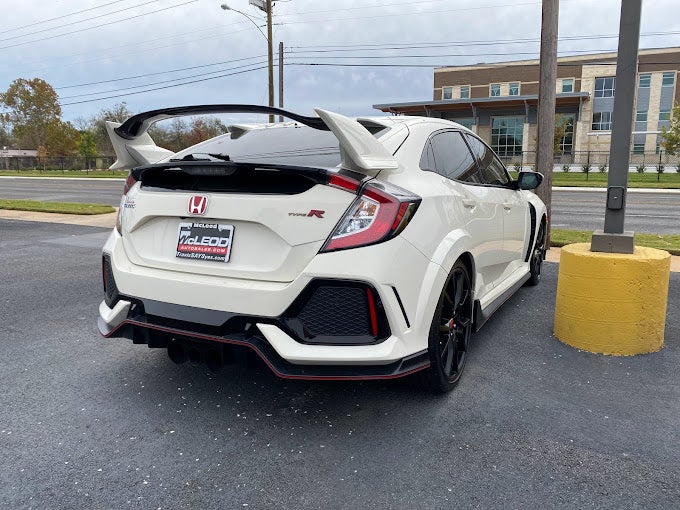
McLeod Auto Sales believes in offering used cars for sale from many different automakers. Why confine yourself to just one or a couple of brands? There are terrific used cars near me that hail from just about every automaker in America, and you'll find them throughout the year at our used car dealerships. Our focus is on helping people with unique financial challenges find a vehicle that improves their lifestyle. Car Dealers that Work with Bad Credit We consider ourselves to be one of the most forgiving of used car dealerships. People with bad credit don't deserve to be shamed or prevented from owning good used cars near me. Sometimes all it takes is working with the right dealership. A lot of things make us a more friendly place to bad credit car shoppers. A Large Selection To have the greatest chance of being approved for a used vehicle, you need a lot of different models to choose from. Some models are easier to get financed than others, so having just a few extra choices for every model and trim can improve your chances of approval. We keep a huge selection of many different makes and models. Experienced Financial Experts When you shop at McLeod Auto Sales, you shop alongside a team of financial experts who have encountered many different buyer scenarios. A winning strategy even one time can be passed along to a similar buyer with a similar situation. Our toolbox for helping bad credit buyers is a very large toolbox. We've learned over the years what works and what doesn't. Proven Performance We know how to help bad credit car buyers because we've helped them in the past. Throughout our time working with more forgiving lenders, we've learned what they want to see from buyers. Our team passes that knowledge onto you so that you'll have a greater chance of being approved for a vehicle you like. You'll find many of our previous customers very happy with the financial services they got from our team. It doesn't matter if your credit score is 500 or 800. You deserve results. Not all used car dealerships work with bad credit shoppers. While we don't agree with that fact, we do our best to make sure that everyone has a place where they can get financed for a vehicle. We can't change other dealerships, but we can make sure that all buyers of all credit types have a place to turn when things are rough. You deserve a great used vehicle from us this year. Look through our inventory, pick out what you want, and our team will devise strategies to get you approved for that vehicle or another one at our dealership. Don't give up. Used Cars for Sale at McLeod Auto Sales We help people who have bad credit take home used cars. If you've given up completely, maybe it's time to rethink your surrender. Contact us here at McLeod Auto Sales to learn how we can help you get a used car even if you have questionable credit history.

Bad Credit Car Dealers

Your credit doesn't have to be a permanent barrier to owning used cars in Killeen. Many people walk into our used car dealership believing that their finance application is a long shot because of bad credit. McLeod Auto Sales makes people seeking bad credit card loans feel welcomed and appreciated while they're with us. You'll never have to ask for our assistance. We offer it freely. What are Bad Credit Car Dealers? Many things affect your credit score over the years. Along the things that impact it the most are: Credit utilization (What percentage of credit you're using compared to how much you have) On-time payments Credit inquiries over the past 48 months Delinquent accounts Many of America's families live paycheck to paycheck these days. A family is always one medical bill, car repair, or natural disaster away from being one or several months/years behind. Some things have to come before paying off debt, and that includes paying for anything that directly impacts the safety and well-being of your family. If you get behind, your credit score falls, and that's the beginning of the trouble. At McLeod Auto sales, we want to offset the damage your credit inflicts to your chances of financing a vehicle. As a bad credit car dealers, we're here to put you in touch with fair lenders who work with bad credit scenarios. Not every dealership takes care of its customers with bad credit. They might just shrug and tell you to move onto the next dealership. If you listened and turned to our dealership, we're glad you searched for and found our finance team. We'll Get You Financed for a Used Vehicle Used vehicles are actually a strategy for financing a vehicle. If you've got bad credit, you'll be more likely to get approved for pre-owned models than for new ones. Your problem may have been as simple as needing to buy used instead of new, or we may need to do some more intensive care on your credit history before we get you approved. Our team has all the strategies needed for intelligent auto finance. You'll feel listened to and understood by them. Most importantly, they understand how auto finance works and how bad credit borrowers can turn the tables and get financed for a pre-owned vehicle. It might be something as simple as getting a co-signer, or you may need to make a single credit payment or two in order to bring down a high credit utilization. At our dealership, you're never powerless against your circumstances. We teach you how to fight back against bad credit and leave our dealership as the proud owner of your favorite used vehicle in stock. McLeod Auto Sales for Bad Credit Car Loans Look through our used cars in Killeen right now. One of those cars is your next vehicle, even if you've got bad credit right now. Our finance team works intelligently to make sure bad credit car loans are approved and delivered to our customers most in need of assistance.

Bad Credit Car Dealerships Near Me

Bad credit doesn't prevent you from buying used cars for sale, but if you work with the wrong dealership, it can make your life a lot more difficult over the years. McLeod Auto Sales offers used cars for sale to people who have both unestablished credit and bad credit, and we work to make sure your lenders stay competitive even on their interest rates. If you've had challenges with your credit history or haven't been able to get much of a history established at all, work with our bad credit car dealer. Bad Credit Car Dealerships near Me Did you know that if you're in the Killeen Texas area, you're already close to a used car dealer that works with bad credit customers? Choosing McLeod Auto Sales means getting a wide breadth of makes, models, and trims right at your fingertips online. Our finance team offers a free credit score to everyone who's shopping with us. Find out your score, and then work with our team to find solutions to a less than desirable credit score. We Work with All Customers You don't need a squeaky clean credit history to work with us. You just need a desire to own a vehicle. Our finance team helps customers by making recommendations. For example, some people have a below average score that needs a little work, but it might not be a rock bottom score. For you, a co-signer or paying down your credit usage a bit might work. If you've got a really questionable credit history that's several years in the past, we can still put you in touch with some of our specialized lenders who give out auto loans to high risk borrowers. You'll Never be Shamed Some dealerships don't conceal their credit shaming very well. It might be a subtle glance of disapproval or an outright refusal to work with you. Don't settle for a disrespectful dealership. Work with McLeod Auto Sales instead. Nearby for your Convenience Searching for bad credit car dealerships near me is always a good idea. If you've got extra challenges in getting approved for financing, it pays to work with a dealership that's nearby. We serve your community with pride each day of the year, always delivering hometown courtesy and understanding. We share the same community. Let's make it a great one together. To get started shopping, just get your free credit score through our dealership. From there, our finance team knows what you're dealing with and can put you in touch with our helpful lenders who are willing to work with auto customers just like you this year. Work with McLeod Auto Sales You deserve a used car dealer that works with bad credit challenges. We're just the dealer you're searching for. Our team is proud to be a bad credit car dealer who gives everyone a second - and sometimes third - chance to get things right. Contact us today if you'd like to learn more about how we help customers buy a vehicle even if there's bad credit in the picture.

Used Car Sales Near Me

McLeod Auto Sales is a master of used car sales near me. We proved there's an easier way to buy and sell a used vehicle in our area, something that's made us a prime destination for used cars in Texas. We regularly have special savings on pre-owned vehicles and offer services like free credit scores to all people who choose to consider us for their next vehicle. Used Car Sales near Me The vehicle you choose to buy next is one of the most important decisions you'll make this decade. If you pick the right car from your used car dealer, your life will look a lot more pleasant over the coming years. If you pick the wrong car, things get bleak for the foreseeable future. Thanks to the services at our Killeen car dealers, you'll never have to worry about picking the right car. We make sure you do. The Right Class Automakers have a wide range of classes to choose from because class really does affect your lifestyle. If you have a large family and pick a compact sedan, things might feel cramped or even uncomfortable. Someone who needs more cargo space than passenger space might find a very large SUV to be equally uncomfortable, as you'll spend most of your time adjusting the seats. And if you need 20,000 pounds of towing capacity, you'll be very disappointed if you don't choose a truck. We help all our customers find the right class of vehicle for them. The Right Price Used vehicles are almost certain to help you find the right price for your next vehicle. You'll never overspend on a used model because there is an automatic break built into the deal. Used buyers pay less money down and shovel out less per month for their next vehicle. However, there are both budget and upscale used trims to choose from, and our sales team helps you navigate the complex pricing at an auto dealership. The Right Features New buyers pay for their add-on features, but you'll find those add-ons are free on your used models at McLeod Auto Sales. Because of the rich diversity of features on every used model, it's important to do your homework before buying. Our sales team is happy to go over your favorite features and point you in the direction of models that have those features. Buying used means never missing out or paying too much for the right features. McLeod Auto Sales hopes to be your next used car dealer. A lot goes into making the perfect used car buy. You'll find our sales team is always friendly and ready to discuss the right used models for you. Buy Used Cars in Texas Texas is a big state with big opportunities for used car sales near me. Make your year a much brighter one by visiting McLeod Auto Sales, a Killeen car dealers that's ready to give you a great price on a pre-owned or certified pre-owned vehicle. Contact us soon if you'd like to see any of our amazing used vehicles for yourself.

Car Loans For Bad Credit

McLeod Auto Sales is proud to be a part of car dealers that work with bad credit. People who have bad credit still have the money to buy used cars for sale. They just need an extremely advanced finance department that doesn't give up on them despite of their credit history. Our used cars are available for you to buy via car loans for bad credit. Don't let bad credit bring you down or prevent you from going home in one of our pre-owned or even CPO models. When Things Go Wrong No matter what's gone wrong in the past, our dealership is here to repair it enough so that you can make it right with us. Second chances are always up for grabs at McLeod Auto Sales. Bad credit car loans address the issues with your credit in a way that's compassionate and still allows you to travel home in a used car you love. Professionalism Our team doesn't question why your credit is bad, but you can always tell us if you believe it'll help us set it right. Some people just get behind on a few payments, while others might default on a loan in the past. Bankruptcies are a reality for some also, although over the years, the auto industry became much more understanding of even bankruptcies. Throughout your entire application, our team is compassionate, understanding, and most of all, they're forgiving. We're true professionals who aren't here to judge. Knowledgeable A good finance expert must be knowledgeable about the industry and strategies for creating car loans for bad credit. We've got years of experience helping people just like you go home in a favorite vehicle even if there's bad credit in the equation. Our team has the answers to all your bad credit questions. Effective Compassion and knowledge are great, but if a team doesn't get results, no understanding or knowledge are enough. We're proud that our bad credit borrowers are satisfied with the service and auto loans they walk away with. Even if you've got serious credit issues, you deserve the most effective possible rate for your situation. We partner with lots of different lenders so that you have a fighting chance for fair interest rates within your credit range. Each one of these things help our team to deliver an elite auto finance experience. If you've got bad credit, don't shop at dealerships that don't make room for you or even care enough to bother with your applications. Work with our team. We want all the business we can get, and we appreciate our bad credit customers just as much as the ones with excellent credit. Get Bad Credit Car Loans McLeod Auto Sales is here to make sure you have the opportunity to buy a vehicle despite of any credit issues you might have. People who need help at our dealership will get it. And we'll never make you feel bad or less worthy just because your credit history hit a few bumps in the road. Please contact us when you're ready to get started on car loans for bad credit.

Contact Us

Fill out this form below and we'll contact you shortly
*Required Fields