


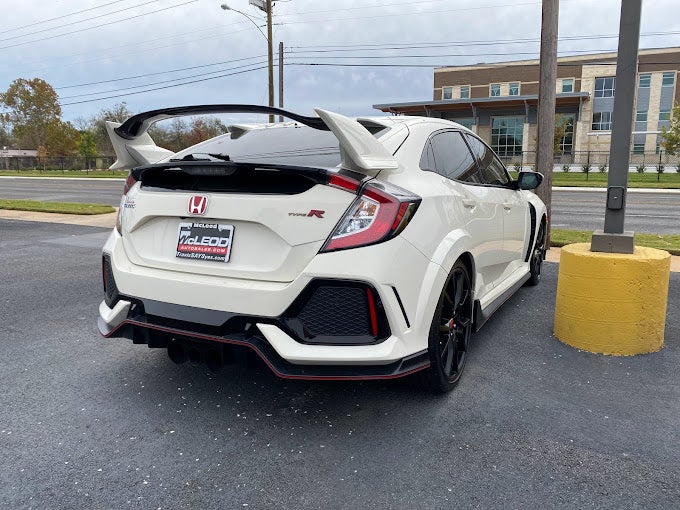
Is it time to step into the world of pre-owned vehicles? With an all-time high of 40.9 million used cars sold in the U.S. in 2021, it's a big market. This guide will get you ready, whether you're checking out McLeod Auto Sales or other places.
This guide is filled with crucial advice for finding the perfect used car. It covers the financial benefits and how to avoid common mistakes. You'll learn how to spend your money wisely and pick a used car that's both dependable and fits your budget.
Ready to explore the used car market and find your dream car? This guide is for everyone, whether you're just starting or know the ropes. Get set for an eye-opening trip through buying a used car!
Why Buying a Used Car Makes Financial Sense
Choosing a pre-owned car is wise for many reasons. It helps those watching their wallet. Our guide on buying used cars shows why it's a good idea.
Depreciation Savings
New cars lose value fast. Within the first year, they can drop by 20%. By year five, that's down to 40%. By buying used, you avoid this big drop in value. A car that's three years old may only lose another 10%, meaning you save a lot.
Lower Insurance Costs
Used cars are often cheaper to insure. They're not as costly to replace and aren't as tempting to thieves. This means you spend less on insurance. Also, your sales tax and titling fees will be lower.
More Car for Your Money
Your money goes further with used cars. Let's use some numbers:
| Aspect | New Car | Used Car |
|---|---|---|
| Average Loan Amount | $40,184 | $27,167 |
| Average Monthly Payment | $735 | $523 |
| Average Loan Rate | 7.03% | 11.35% |
Yes, used car loans might have higher rates. But you save over $200 a month. With that, you could afford a better model. Just remember, older cars might need more maintenance. But the savings at the start make it worth it.
Setting a Realistic Budget for Your Used Car Purchase
Setting a realistic budget when buying a used car is very important. Don’t just look at the price tag. Consider the entire cost of owning it, like insurance and maintenance.
Set a budget that's smart for you. Aim for a 10% down payment. Keep all car costs under 20% of what you bring home. Remember, used cars are usually cheaper to insure than new ones.
Start researching. Use places like Kelley Blue Book or Edmunds to see what cars are worth. Also look at how you'll pay for your car. The average car loan interest is about 9.34%. But, look around for better deals.
Think about what matters most to you in a car. You can find a reliable used car that's right for you. These cars can range from $1,000 to $2,000 and up.
Don’t forget to check the car carefully before you buy. Many mechanics will fully check a car for a flat fee. This can tell you a lot about the car's future costs.
Take time to think about each point. By doing this, you’ll make a budget that's realistic and lets you get a good deal on a used car.
Researching and Identifying the Right Used Car for You
Finding the perfect used car takes time and effort. This guide will help you find the ideal car for you.
Utilizing Online Resources
Start by looking at trusted websites. These sites have pricing guides and vehicle history reports. You can compare different models easily.
Considering Your Needs and Lifestyle
Think about how you'll use the car every day. Do you need something big for a family or small and efficient for work? List what you need most, then find cars that match your list.
Evaluating Reliability and Long-Term Costs
Look into how reliable cars are with sites like J.D. Power. Also, think about long-term costs like insurance and repairs. More miles mean more upkeep, usually.
| Aspect | Consideration |
|---|---|
| Mileage | Lower mileage cars typically require fewer immediate repairs |
| Budget | Auto expenses shouldn't exceed 20% of monthly take-home pay |
| Inspection | Check for engine lights, fluid levels, and tire tread depth |
| Research | Use Consumer Reports and US News for ratings and rankings |
Doing thorough research is crucial. It ensures you get a used car that's both reliable and fits your budget. Always check the car's history and maybe have it looked at by a pro before buying.
The Advantages of Certified Pre-Owned Vehicles
Certified pre-owned vehicles hit a sweet spot. They're not quite new but also not the same as traditional used cars. These vehicles are recent models with low miles. They go through detailed inspections and repairs. This makes them a convincing choice for many buyers.
CPO programs are usually for cars up to 6 years old with less than 85,000 miles. They include extended warranties. For example, you might get powertrain protection for seven years or 100,000 miles. Non-powertrain items might have coverage for 12 months or 12,000 miles, depending on the brand.
Extended warranties are a key perk of CPO vehicles. Most CPO programs add a year or 12,000 miles to the factory warranty. For some, this extra coverage is even unlimited.
| Feature | Certified Pre-Owned | Regular Used |
|---|---|---|
| Inspection | 100+ point inspection | Varies |
| Warranty | Extended manufacturer warranty | Limited or none |
| Vehicle History | Free report included | May cost extra |
| Price Premium | 4.5% higher on average | Base price |
Certified pre-owned cars might cost more at the start than regular used cars. But, they bring peace of mind and can save money on repairs. On average, they're about 4.5% more expensive than traditional used cars. However, the price difference varies by make and model.
Looking for a balance between cost and quality? Consider CPO cars. They can be great for first-time car buyers. They're also a good option if you want a luxury car that's a few years old. These cars depreciate quickly, making them a good deal for CPO buyers.
Securing the Best Financing for Your Used Car
Financing your used car well is key when the average price sits at $25,638. This smart move can really help your budget.
Getting Pre-Approved for a Loan
It's wise to get your auto loan pre-approved. This quick step, done in up to 30 days, tells you your budget. You can find good rates from banks, credit unions, and online lenders for used cars.
Comparing Interest Rates and Terms
Don't stick with the first offer you get. Shop around for better rates and terms. Credit unions often have better rates than banks. Online lenders might give you the best deal. But remember, your credit score affects how high these rates are.
Understanding Dealer Financing Options
Dealers can help with financing too. But watch out for rates higher than normal. For nearly new, certified used cars, the deals might be good if your credit's strong. Always look at the final buy price, not just the monthly cost, when you're at the dealership.
| Lender Type | Pros | Cons |
|---|---|---|
| Banks | Many loan types, streamlined processes | Higher rates than credit unions |
| Credit Unions | Lower rates, member benefits | Membership required |
| Online Lenders | Competitive rates, convenient | No face-to-face service |
| Dealerships | Convenient, special offers on CPO | Potential for higher rates |
To get the best deal buying your used car, look into different loans and get pre-approved. This puts you in a better place to talk numbers when you're shopping for a car.
Essential Steps in the Used Car Buying Process
Looking for a used car isn't easy, but our guide will make it simple. We'll show you the important steps to get the most value. Follow these tips to buy smart.
First, know how much you can spend. Don't forget to include costs like insurance and maintenance. It's wise to set aside about 10% extra for taxes and fees.
Doing your homework is key. Go online to compare different models. Also, check what others say about the cars. This way, you can avoid bad choices.
After picking a car, check it out thoroughly. Make sure it doesn't have damage. Test the engine, the electricity, and the brakes. Aiming for perfection ensures you won't regret your choice.
Consider getting a professional to look at the car. Paying a mechanic to inspect it costs $100-$200. This can prevent big problems later on.
Now, take the car for a spin. See if you like how it drives. If all feels good, it's bargaining time. Make a solid offer based on your research. And if things don't seem right, you can always leave.
Stick to these steps, and you'll be ready to choose wisely. With our advice, buying a used car will be a breeze.
Inspecting and Test Driving a Used Car
Looking at a used car inside and out is very important. It helps you know if it's a good buy. We'll show you what to check, so you can decide with confidence.
Visual Inspection Checklist
Start by going over a car checklist with a fine-tooth comb. Look for signs of repair, like rust, dents, and paint differences. Inside, check the seats and buttons. Under the hood, see if there's any oil leaks or if the battery looks good.
Test Drive Best Practices
When you test drive, focus on how the car handles different roads. Watch how it brakes and shifts gears. Listen for strange sounds and sniff for odd smells. And remember, a good rule is that cars travel about 10,000 to 12,000 miles a year.
Getting a Professional Mechanic's Opinion
Having a mechanic look at the car can catch big problems early. This check usually costs between $100 to $200, depending on what they do. You can also find cheaper options for basic inspections, around $70 to start.
| Inspection Type | Cost Range | What's Included |
|---|---|---|
| Basic Visual | $70 - $100 | Exterior check, under-hood inspection |
| Standard | $100 - $150 | Visual inspection, test drive, basic diagnostics |
| Comprehensive | $150 - $200 | Detailed inspection, lift check, extensive diagnostics |
Remember, spending a little on a check-up now can save you lots later.
Understanding Warranties and Vehicle History Reports
When you're considering a used car, thinking about warranties is key. Dealers often include warranties with used cars. They can range from full coverage to limited ones that pay for some labor and parts.
Don't forget about extended warranties. For an extra cost, you can get a service contract. It'll cover more, and often includes deductibles. Note that buying a service contract within 90 days can provide extra legal protection.
Vehicle history reports are a must-have when you're buying used. They let you check for open recalls and give a car's backstory. You can find them at ftc.gov/usedcars and safercar.gov. These reports show if a car has been in accidents or well-kept.
| Warranty Type | Coverage | Cost |
|---|---|---|
| Full Warranty | All parts and labor | Included in car price |
| Limited Warranty | Percentage of parts and labor | Included in car price |
| Manufacturer's Warranty | Specific components | Included in car price |
| Extended Warranty | Varies by contract | Additional cost |
Dealers should have a Buyer's Guide for all used cars. This guide helps by pointing out warranties and potential issues. By looking at warranties and car history, you can make a smarter choice when buying a used car.
Used Car Buying Guide: Negotiation Strategies and Tips
Negotiating to buy a used car can seem tough. But, the right tactics can lead to a great bargain. Our guide is here to make your process easier and more successful.
First off, know the market value of the car you want. Look at pricing guides from sources like Edmunds or Kelley Blue Book. Learning this info is a big step towards a favorable deal.
Deal with the total cost, not just monthly payments. Understanding the full price helps you see the value clearly. Always be ready to leave if the deal isn't what you want. This can turn the table in your favor.
| Negotiation Tip | Description |
|---|---|
| Research Market Value | Use pricing guides to understand fair prices |
| Focus on Total Price | Avoid discussing monthly payments |
| Be Willing to Walk Away | Don't feel pressured to make a decision on the spot |
| Get Pre-Approved | Secure financing before negotiating |
| Negotiate Online | Use online tools to request quotes and communicate with sellers |
Finding middle ground is key in negotiations. Stay confident and respectful while making your deal. Also, always ensure you get all agreements in writing. These simple steps from our guide will help you sail through negotiation and finally enjoy your new used car.
Avoiding Common Pitfalls in Used Car Purchases
In our used car buying guide, we've covered essential steps to make a smart pre-owned vehicle purchase. Now, let's delve into some common pitfalls to avoid. By staying vigilant, we can ensure a smoother buying experience and dodge potential headaches down the road.
Beware of "As Is" Sales
"As is" sales can be risky. They often have no warranties, so buyers are on their own for fixing issues. It's important to check the car thoroughly and think about repair costs. This should be done before you agree to an "as is" sale.
Watch Out for Hidden Fees
When you look over the contract, be careful of hidden fees. Dealers might add fees that you don't need or know about. If you see any charges you don't understand, ask about them. You can try to get them removed if they're not fair.
Be Cautious of Flood-Damaged Vehicles
Flood damage in cars can lead to big problems later on. Watch out for signs like bad smells, water marks, or rust in strange places. If the car shows these signs, it's probably best to not buy it. Also, checking a detailed vehicle history report is key. It can show if the car has flood damage in the past.
FAQ
Why should I consider buying a used car?
Besides the lower buying price, used cars can mean cheaper insurances. They depreciate less too. Although fixing them might cost more, you could save a lot of money.
How do I set a realistic budget for a used car purchase?
For a sensible budget, look at the full costs. This includes buying price, insurance, parking, and repairs. Sites like can help you plan better.
What factors should I consider when researching used cars?
Start by comparing cars online. Focus on reliability, safety, and what you need, like space and gas mileage. Look into common problems by visiting car forums and websites.
What are the benefits of a Certified Pre-Owned (CPO) vehicle?
CPO cars get deep checks and repairs by the maker. Plus, they often come with a better warranty. You might also get help on the road and coverage for trips, saving you money in the long run.
How can I secure the best financing for a used car?
Get loan offers from different lenders before shopping. This can help you avoid the high rates used car loans often have. Check out special deals for CPO cars too.
What are the essential steps in the used car buying process?
Start by studying different models and their prices. Always check a car's history before buying and give it a thorough look and drive. Keep good records of everything.
How do I properly inspect and test drive a used car?
When checking a car, look for damages and wear. Test the car's drive and comfort. Listen for odd sounds and smells. It's wise to have a mechanic check it out too.
Why are warranties and vehicle history reports important?
Knowing about warranties can save you money on repairs. Reports on a car's history can show if it's been in accidents or well-maintained.
What negotiation strategies should I use when buying a used car?
Going into talks, know what the car is really worth. Try to haggle over the final price. Don't be afraid to walk away. Always secure the deal in writing.
What pitfalls should I avoid when buying a used car?
Watch out for cars sold “as is” without a warranty. Be mindful of extra fees and water damage. Check the dealer's reviews and question deals that seem too perfect. And, always carefully read every document.